
by David Burrell – – –
Well, someone had to commemorate the 50th anniversary of this most forgettable of Holdens.
When GMH unveiled their 1976 HX range the folks at Ford must have realised they were on their way to market leadership.
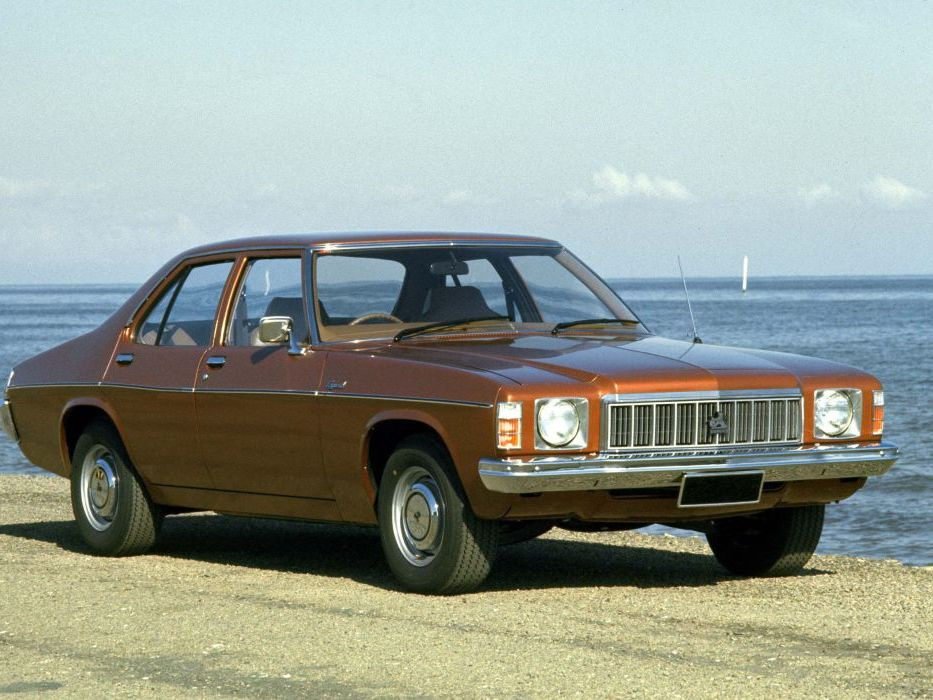
With its market share in decline and profits problematic, GMH’s senior executives decided to cost cut their way to success rather than invest in new styling and new engines. That’s all good in the short term, but for the long term it never ends up well.
And so, the HX was largely unchanged from the previous HJ model. Externally, the Belmont, Kingwood, Premier and Statesman models were given revised grilles and a rearrangement of badges and trim. It was a case of “nothing to see here”.
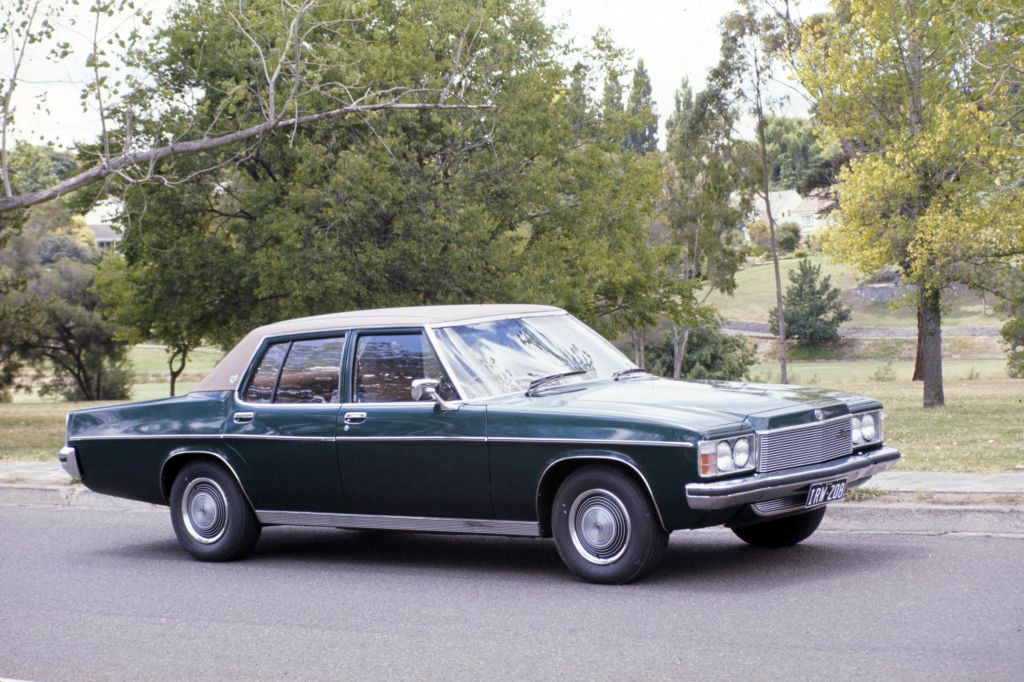
Inside there was a multi-purpose stalk for indicators, wiper, washers, headlights etc and a revised upholstery pattern on the seats.
No change to engine capacity, either. What you got were engines that had to comply with the new Australian Design Rule 27A. This new rule was aimed at reducing exhaust emissions. The V8s did not suffer too much, but the Holden sixes were impacted.
Rather than invest in upgraded engines, as Ford and Chrysler had done during the preceding years, Holden’s cheap fix was to lower compression ratios and attach some emission controls to their 13-year-old engines. This did nothing for the power output and performance.
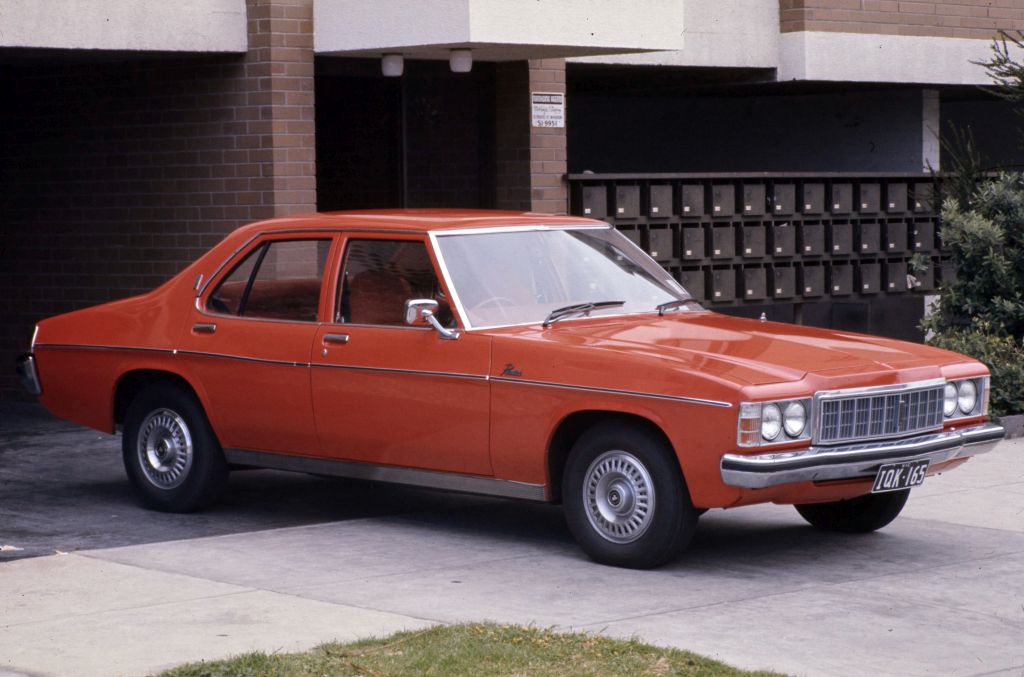
Also ignored was the suspension. Always a criticism of the HQ and HJ ranges, the chronic understeer characteristics were thought to be a “safety” feature by the company’s then chief engineer, who learnt his trade at Cadillac.
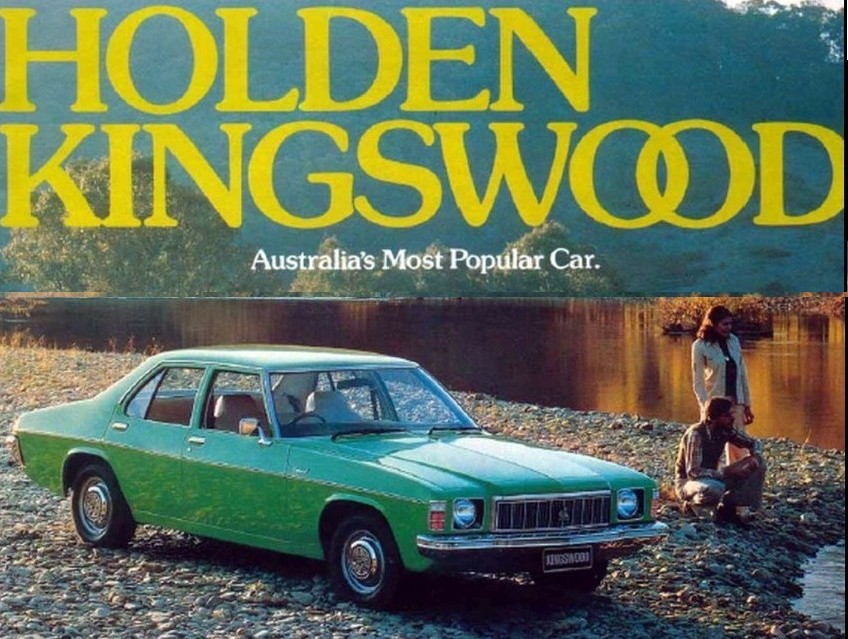
The brochure, in the AMHF’s collection, claimed the HX was “Australia’s Most Popular Car” and around 110,000 people bought one. But that was 66,000 less than the HJ. Holden’s market share decline was steepening and lacklustre products like the HX were not what was needed.
A highlight of the range was the LE Monaro. Created to sell off the last Monaro coupe body shells, it was an opulent marketing exercise. Fully loaded with all options, special red paint and matching interior, the coupe rode on gold honeycomb styled wheels similar in design to those used on the Pontiac Firebird. And it was powered by the five litre V8.
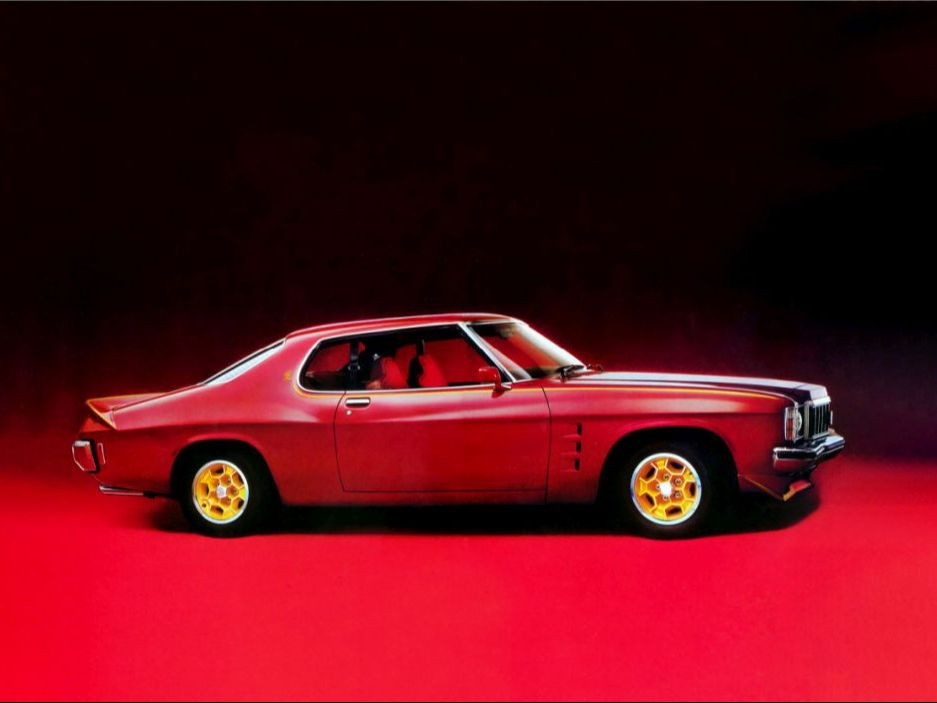
Priced above the Statesman Caprice, Holden sold every one of the 580 they sent to dealerships. Actually, they built 606, but 26 were destroyed in a Western Australian warehouse fire before they could be sold.
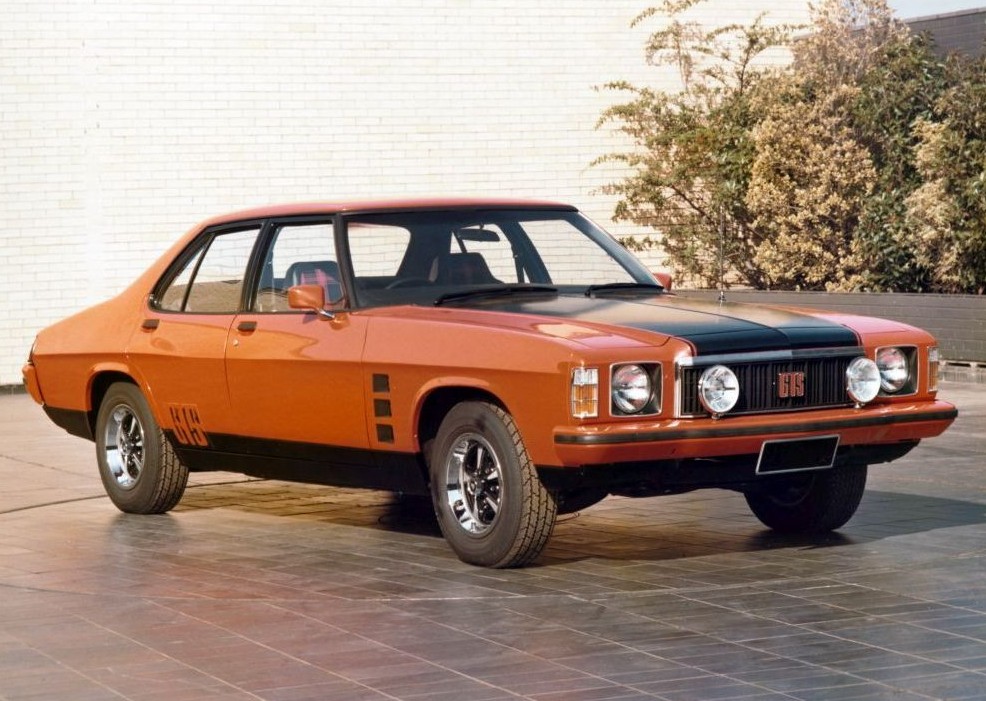
For me the best-looking model was the GTS sedan. Huge callouts and bold colours suited the angularity of the sheet metal.
The HX was in production until October 1977 when the HZ appeared, with its Radial Tuned Suspension. But GMH had waited too long to improve their mainstream car. Ford’s Falcon became the sale leader in 1977, for the first time. And not for the last time.
