by David Burrell – – –
A rotary engine in a Torana? Yes!
Holden once considered a rotary for the Torana hatchback.
Back in the early 1970s, GM’s president, Ed Cole (the same Ed Cole who created the Chevrolet Corvair), was one of the rotary’s greatest champions and established a well-funded and highly publicised project. He envisioned the motor powering range of GM’s cars across the world.
And then the problems started to multiply.
In late 1973 the first oil supply crisis impacted the world, and fuel economy suddenly became a significant factor. It was here that the rotary was at a big disadvantage. That was problem number one.
Despite its early boasts, GM was discovering that solving the rotary’s reliability and fuel consumption problems was taking longer than planned and consuming lots of money. That was problem number two.
Meanwhile, the US Federal Government had introduced a series of anti-pollution laws which required a 90% reduction in hydrocarbon emissions by 1975. The rotary was a particularly high emitter of hydrocarbons. Compliance meant GM had to spend even more unknown millions of dollars in development. That was problem number three.
In September 1974, Ed Cole announced he’d “postponed” the rotary program, and promptly retired from GM. His successor, Pete Estes, terminated any further development. And that brings us back to the rotary Torana.
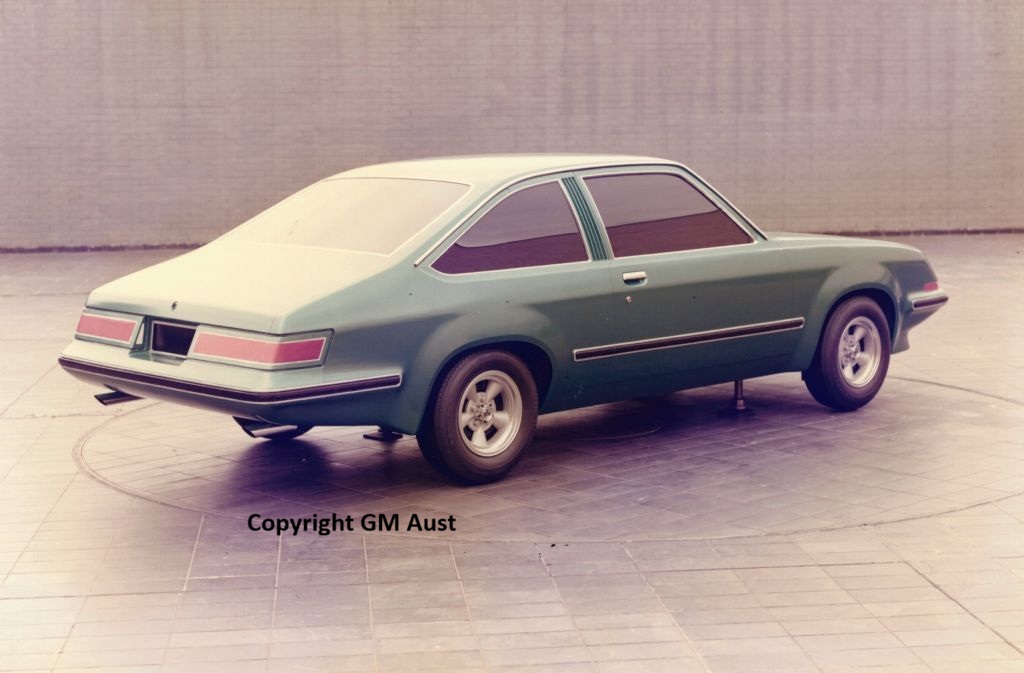
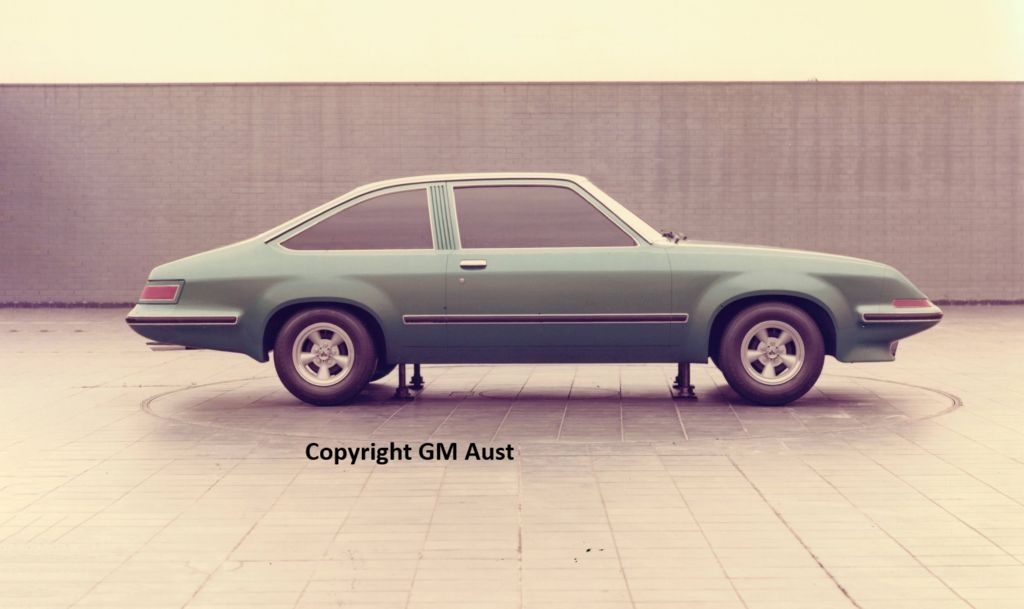
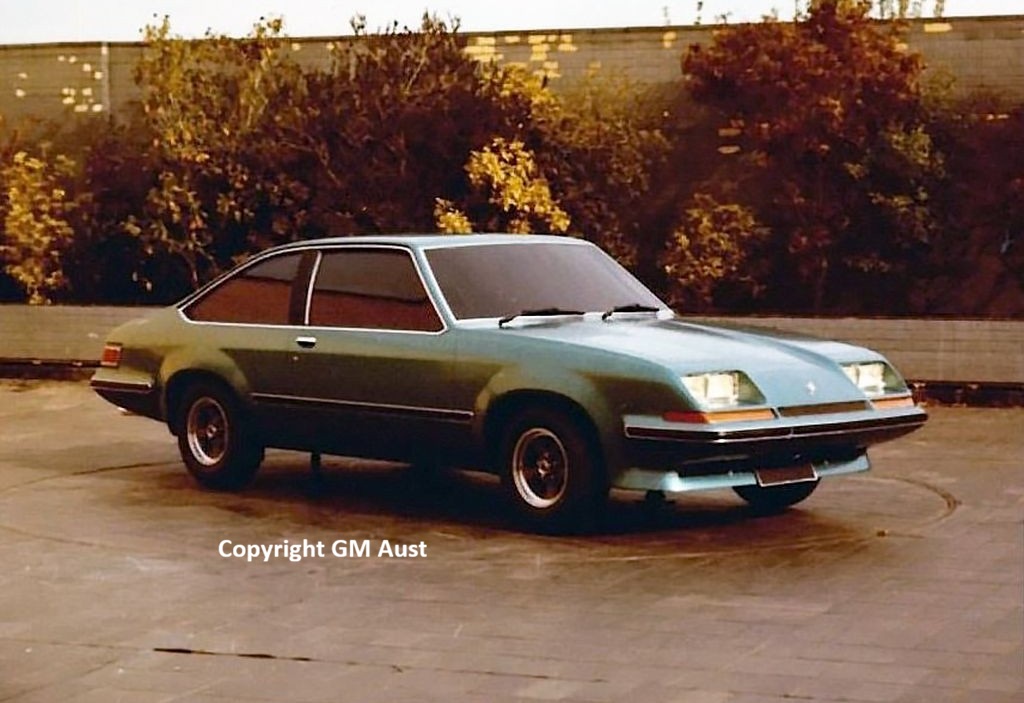
In 1971, GM had sent a couple of rotary engines to Holden for evaluation. The LH/LX Torana was thought to be an ideal mid-sized candidate for the engine. Phillip Zmood was the Torana’s design chief and after the LX hatchback’s final shape had been signed off, he started to work on a variation that would showcase the rotary.
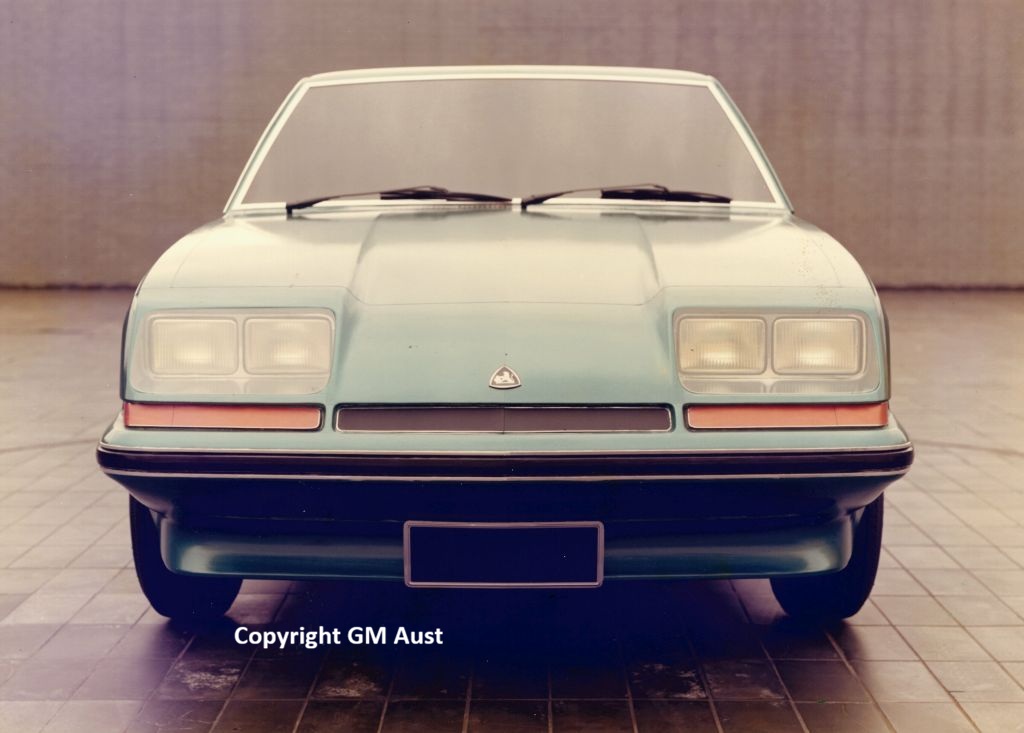
A full-sized clay model was constructed and painted a bright green. It was Phillip’s favourite colour for a car. The car’s striking colour led to it gaining the nick-name “the Green Lizard”. The actual name was to be “Ikara”, an indigenous word for a throwing stick. It also means meeting place.
The Green Lizard/Ikara never went beyond the clay model stage. When GM’s rotary engine program was cancelled it was shelved.
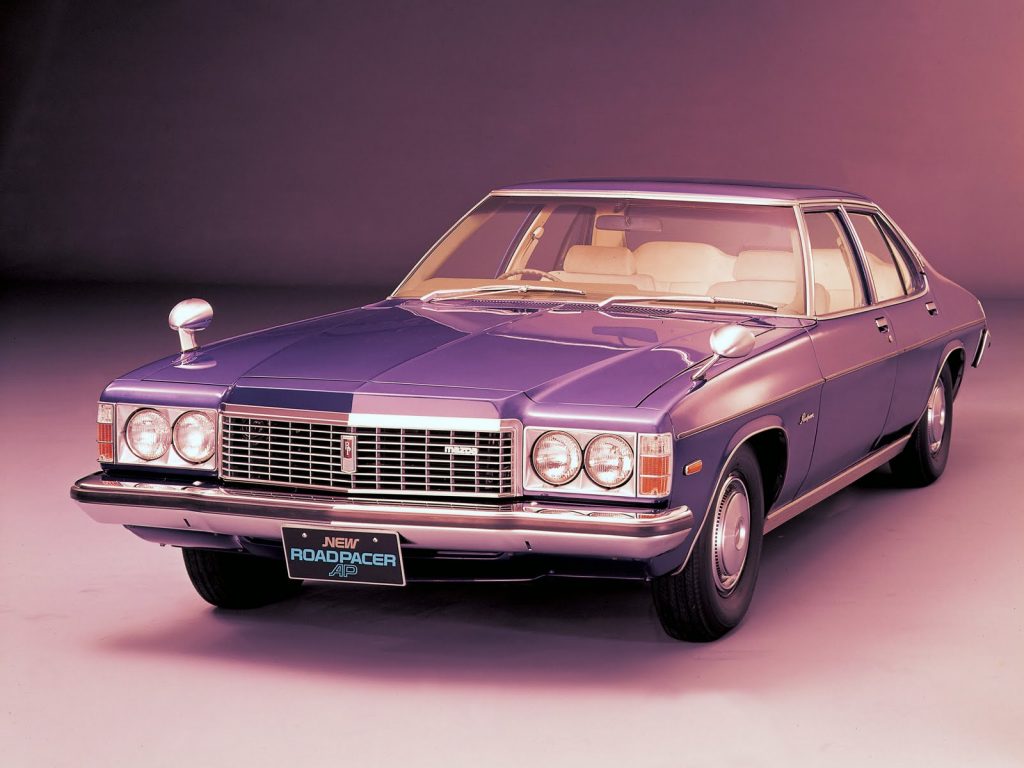
The only GM production car to ever be sold with a rotary was the Mazda Roadpacer, which used a Holden body and interior. It is a story for another time.