
by David Burrell – – –
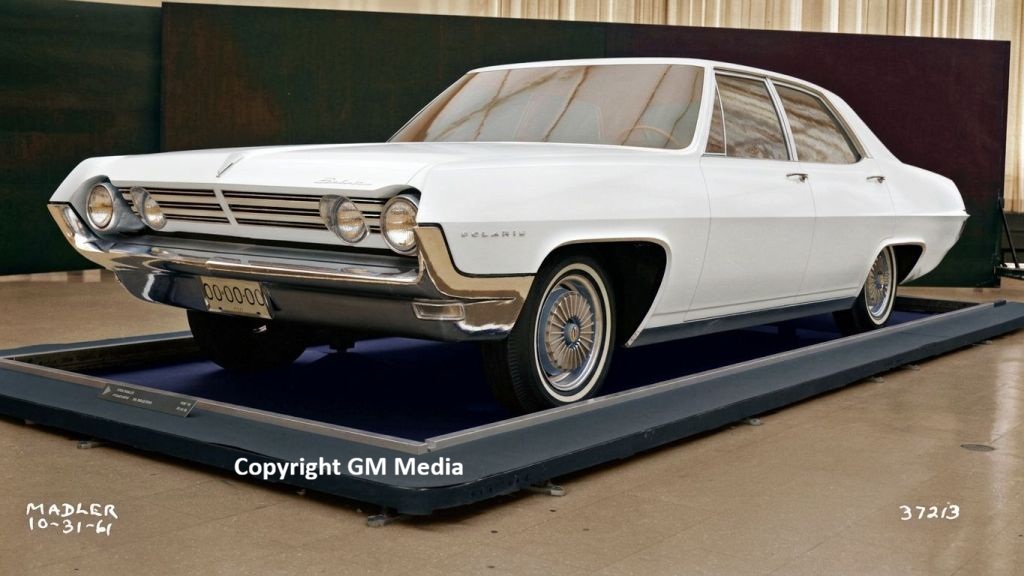
Does the car in the photo above look vaguely familiar? A little bit like an HD Holden? A little bit like General Motors’ (GM) cars in the sixties and seventies?
Known as the “Solaris” it was one of the most influential concept cars ever built by GM and kept secret for decades. Simply, it established the overarching design ‘language’ for many of GM’s cars around the world, including the HD and HR Holdens.
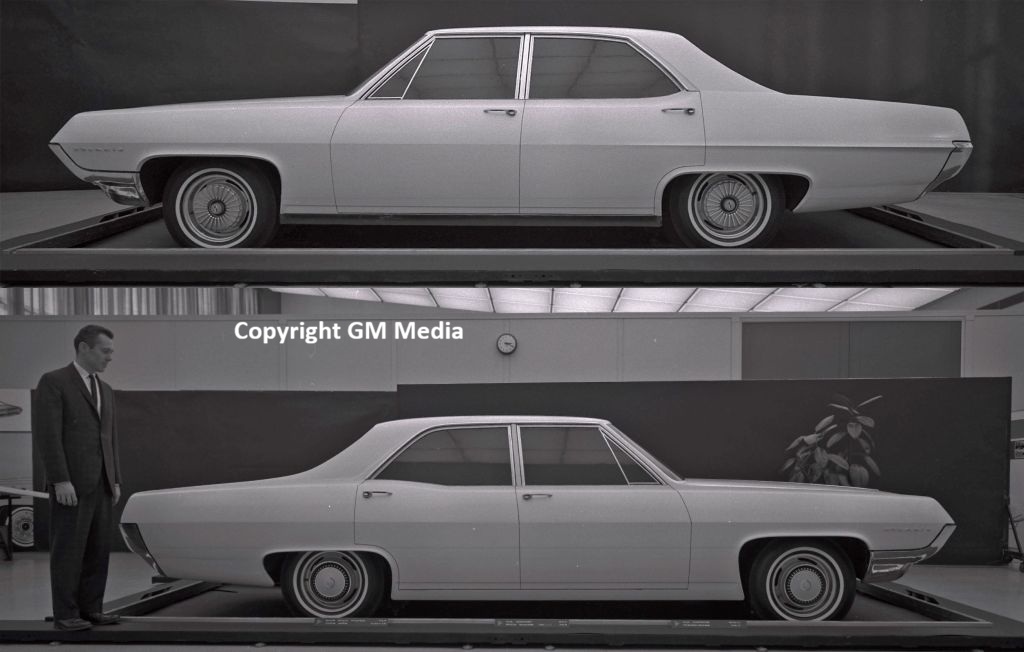
The Solaris started out as part of an internal styling competition, in early 1961, between GM’s design studios. Leo Pruneau, the retired design boss of Holden, helped style the Solaris and spoke to me about its origins.
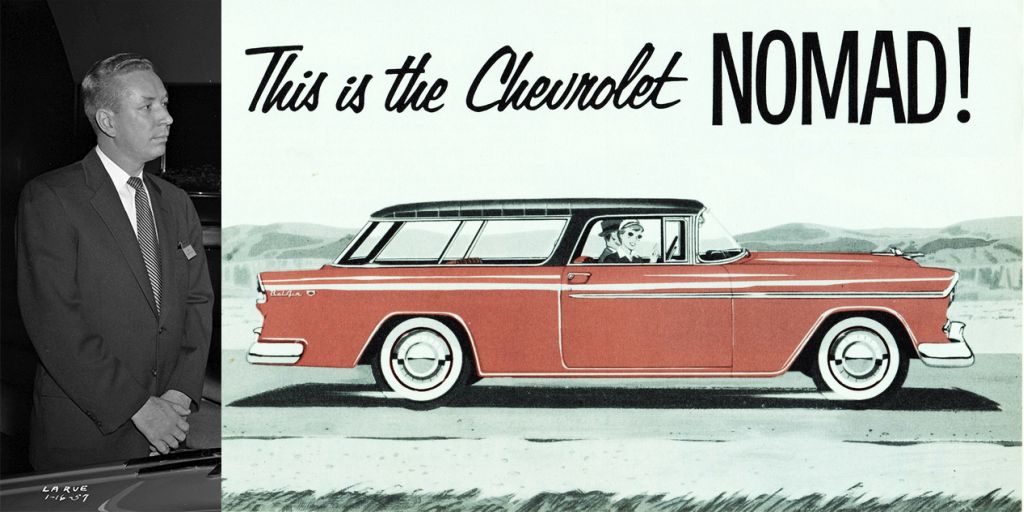
“I had just been hired by GM in February 1961 and after an induction period was put into the Advanced Design 4 styling studio, which was managed by Carl Renner. Carl was a legend in GM styling. He’d worked on every Chevrolet between 1952 and 1957, had helped style the original Corvette, had styled the Chevrolet Nomad, Corvair and a number of Motorama dream cars. Don Lasky, who had been at GM a few months longer than me, was also working on this project. We both thought we were very honoured to be working with Carl.”
The Advanced Design 4 studio was part of Chevrolet’s design efforts. The studio had a wide-ranging brief to look into the future and come up with ideas that might be used on production cars. Leo explained how he got involved in designing the Solaris.
“In mid-1961, Bill Mitchell, GM’s styling boss, devised an internal competition. He requested the Oldsmobile, Chevrolet, Buick and the Advanced 4 studios come up with a general design concept for the 1964 A body cars. The A body cars are the intermediate size cars (Chevrolet Chevelle, Pontiac Tempest, Buick Skylark, Oldsmobile F85) and they shared many common inner panels across the GM range.
“What was unusual about it all was that Advanced studios did not generally become involved in this kind of styling ‘shootout’. I found out later that Mitchell had a reason. He had been trying to convince GM’s senior management to use curved side glass and doors and to move away from straight up-and down doors and door frames but he could not get anyone to listen to him. So, part of Carl Renner’s job was to incorporate curved side glass and doors into his competition car.
“Anyway, all the studios were given the specifications for the car – height, width, weight, passenger capacity, wheel base, track – and asked to come back with a finished fibreglass concept in a couple of months. We were finished by the end of November 1961. Carl named it the ‘Solaris’. It was about the size of a Holden Statesman. It was two sided. The left side had a straight belt line. The right side featured a ‘hop up’ at the rear door.”
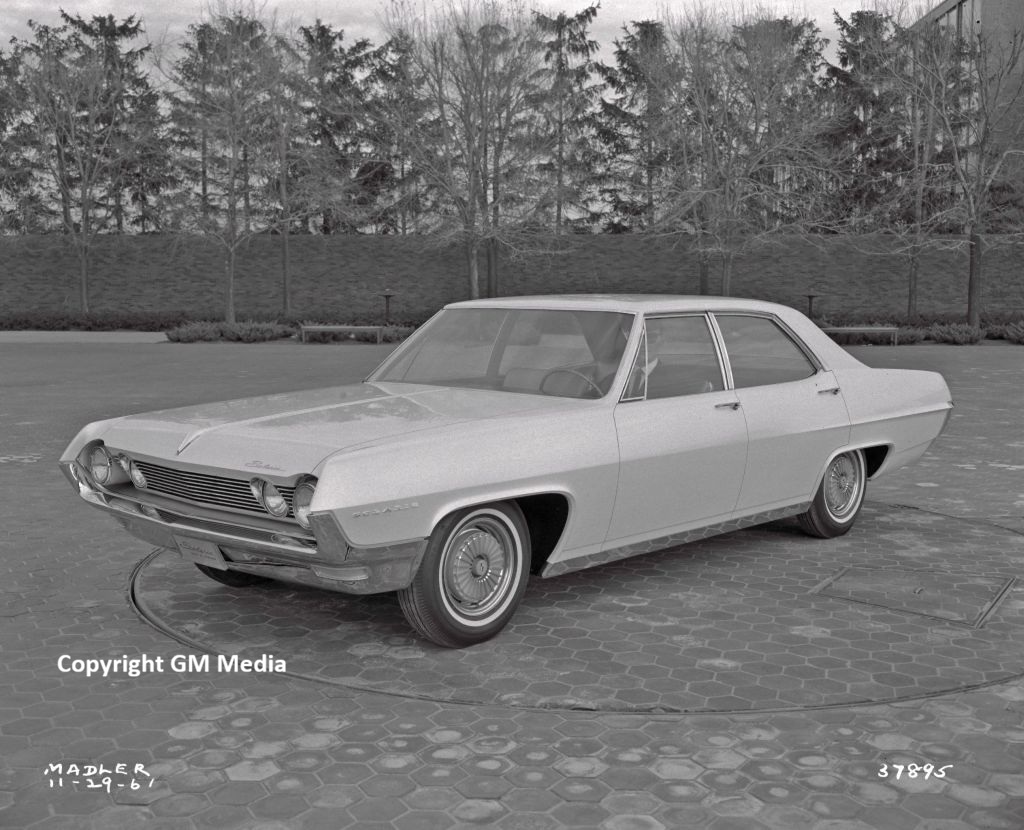
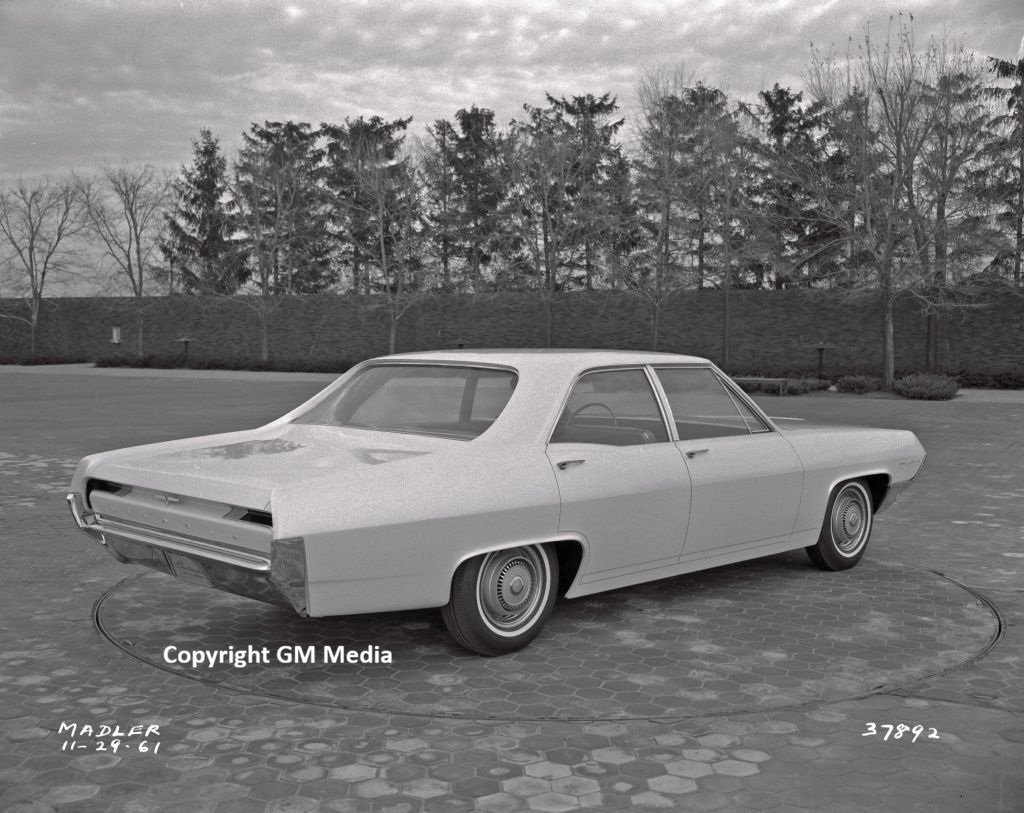
Along with the other studios’ concepts the Solaris was evaluated by GM’s senior management and to everyone’s surprise the Solaris won the competition. Says Leo:
“The Solaris came back from the executive evaluation and almost immediately all the chief designers of all the car divisions came to have a look at it and then its ideas were applied to many future designs.”
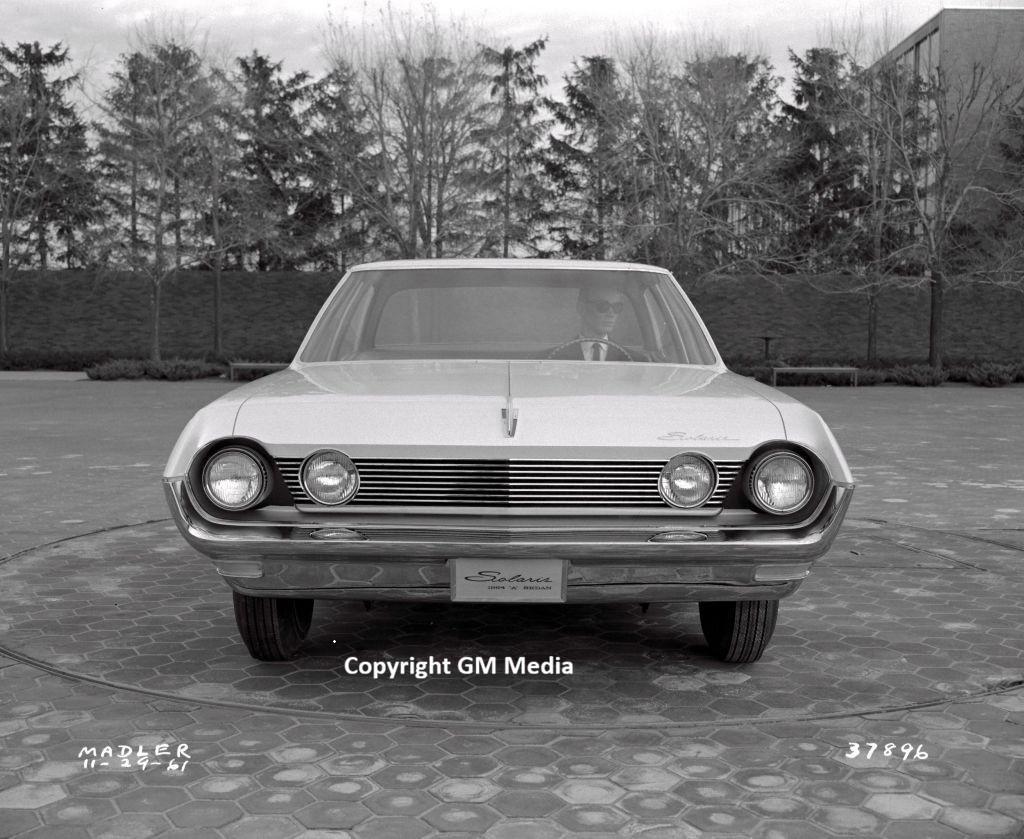
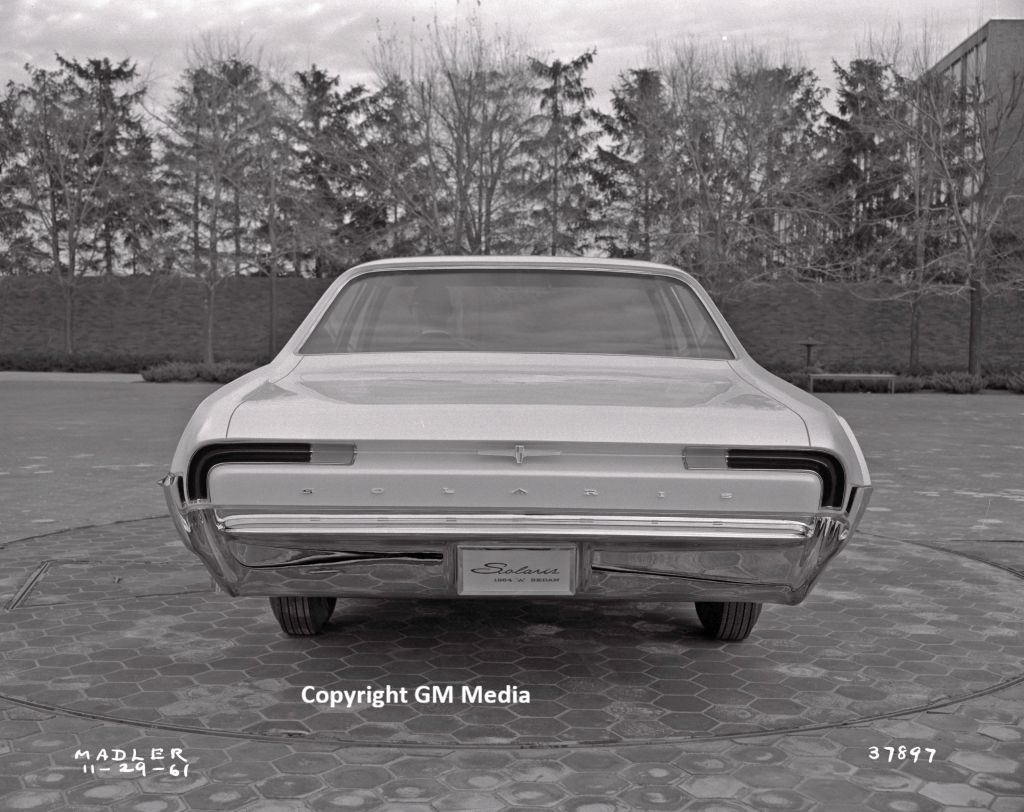
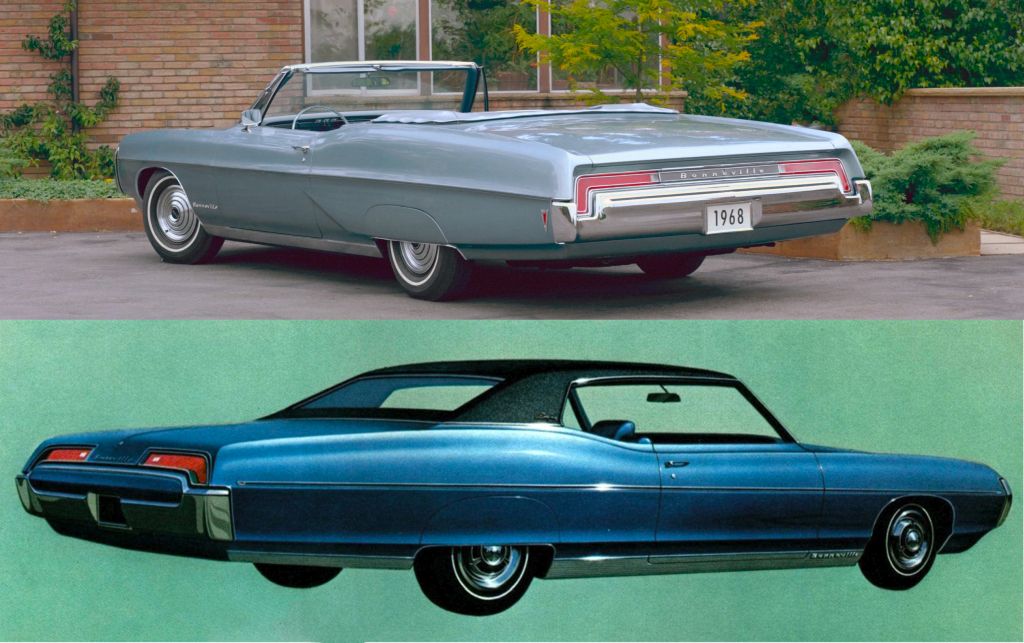
And applied they were. The curved doors and glass appeared across GM’s full range of cars. The roof line and concave rear window were transferred almost intact to the 1964 A bodied Pontiac, Buick and Oldsmobile. The “hop up” over the rear door became a design theme on just about every GM car of the 1960s. The blade front fenders influenced the front end of the 1966 Oldsmobile Toronado. Its hockey stick tail light shape appeared on the full-size 1968 and 1969 Pontiac.
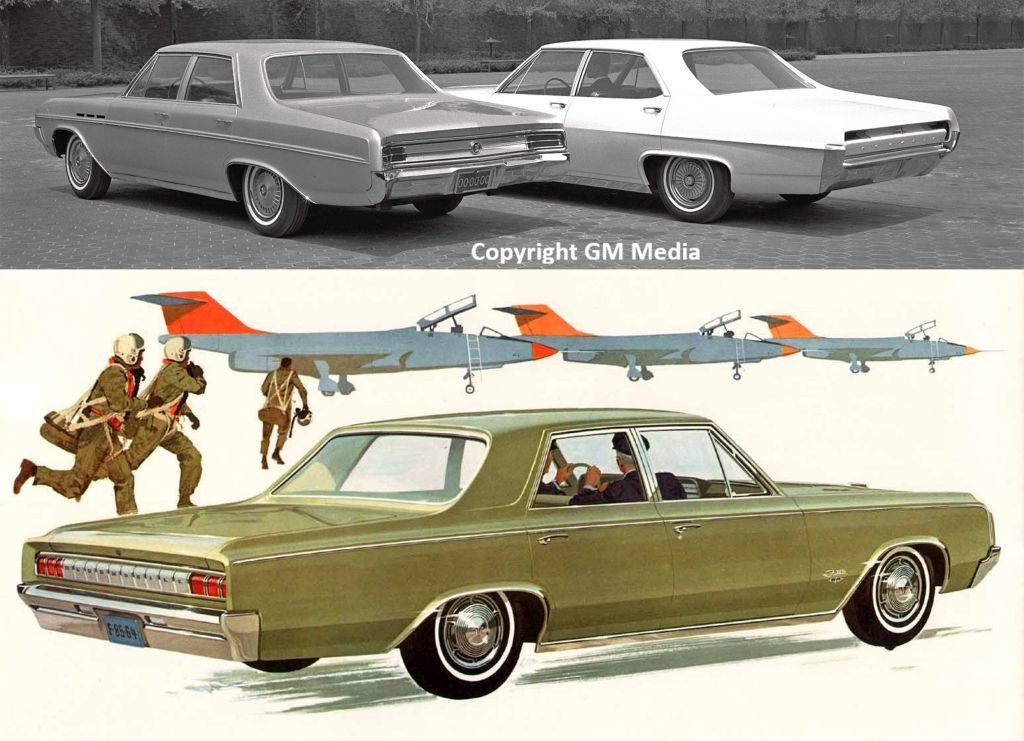
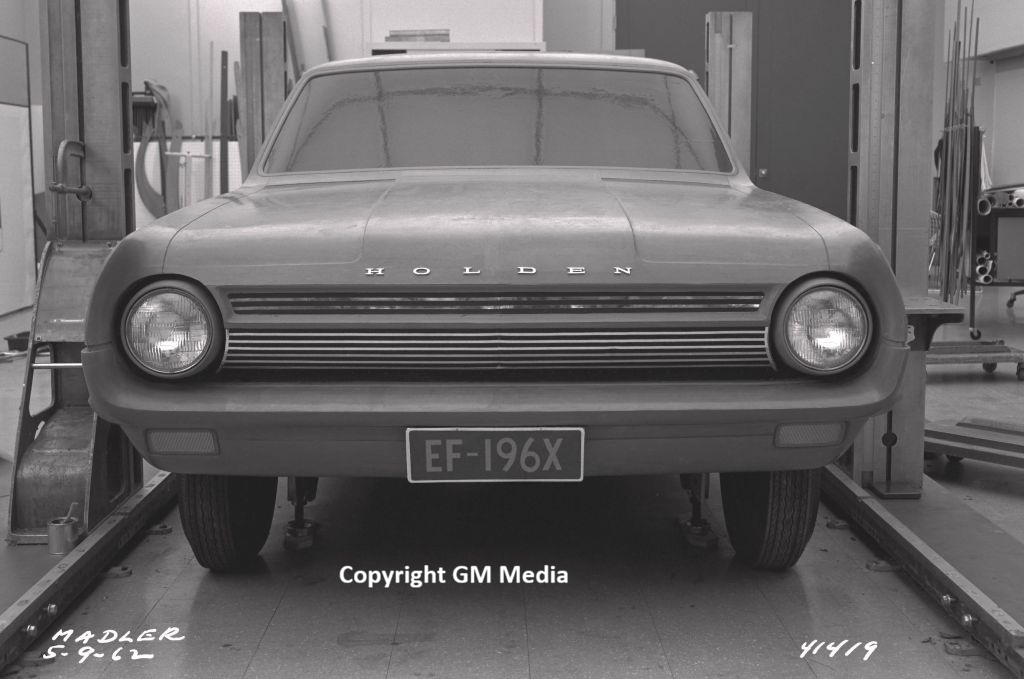
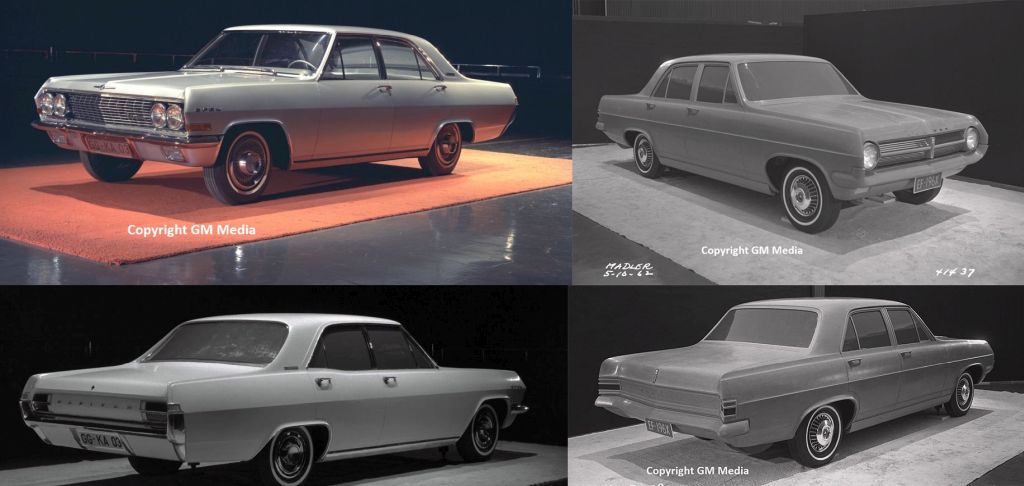
But it is the 1964 Opel and 1965 Holden where all of the Solaris’s DNA can be clearly seen. Leo and Don (he appears in one of the images) were tasked by Bill Mitchell with designing those cars. The project brief was to convert the Solaris into productions cars. Work began in February 1962.
The duo were able to infuse almost all of the Solaris’s styling themes into the Opel and Holden – the jutting front fenders, the curved side glass, the concave/convex rear window, the fine chrome bars of the grille, the upturned front bumper bars, the leading edge of the bonnet which was notched to enclose the head lights and the crisp side profile with the well-defined crease line running the length of the car. It’s all there, just less extreme than what was on the Solaris.
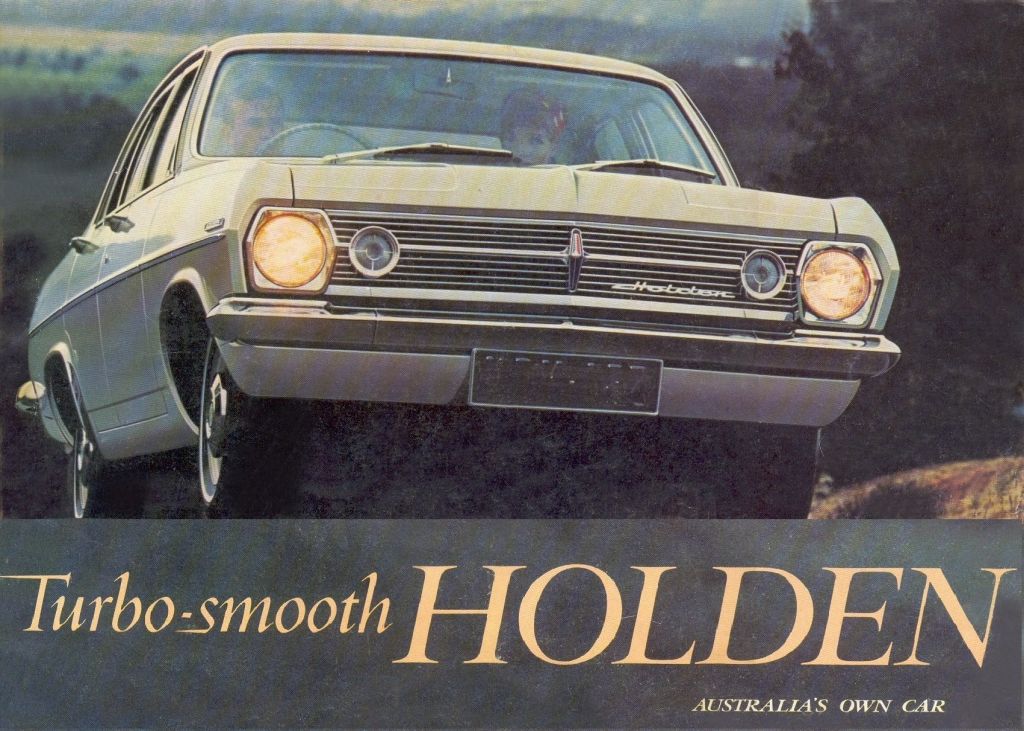
When the HD’s successor, the HR, was being designed in 1964, the idea for its inboard indicator lights was taken directly from the Solaris, as the photo below shows.
As happens with so many styling concepts, the Solaris reached a use by date. GM designers had moved on to new themes and ideas. It was dismantled in the late 1960s.
* * *
A special thanks to John Kyros and Christo Datini at GM Heritage in Michigan, USA, for locating the images of the Solaris and to Leo Pruneau for his insights.
