by David Burrell – – –
Back in the day, before high quality colour film and cameras, before digital images and AI, most car advertisements consisted of hand-drawn sketches.
Each car company sought out the most talented artists to render their products in black and white and colour. It was a well-paid job and many of the artists went on to careers as car stylists.
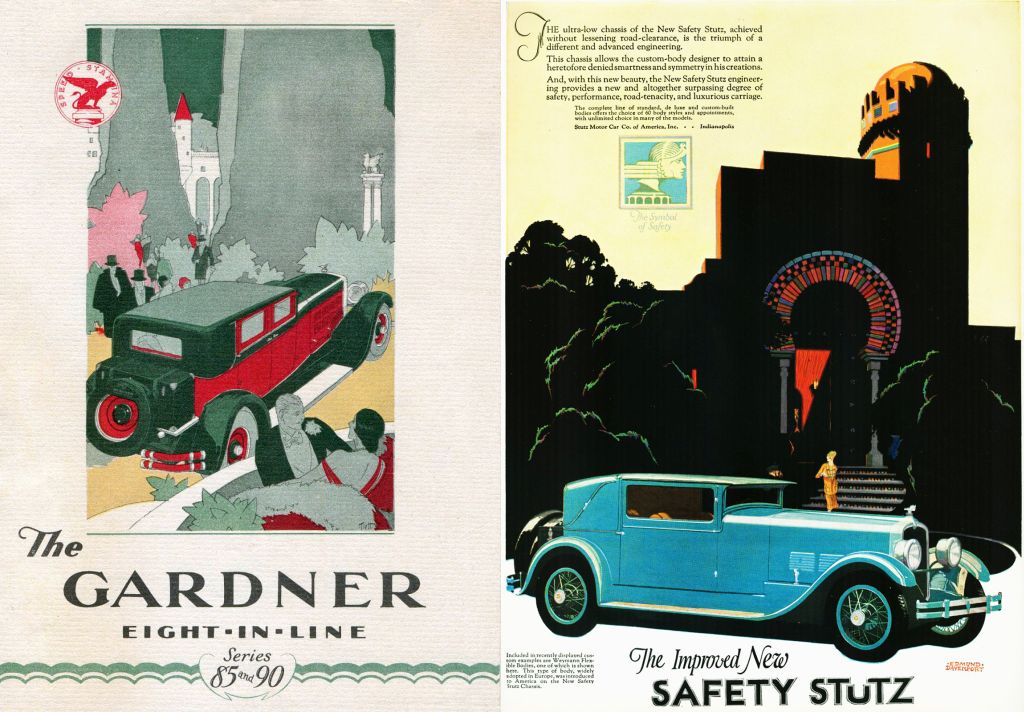
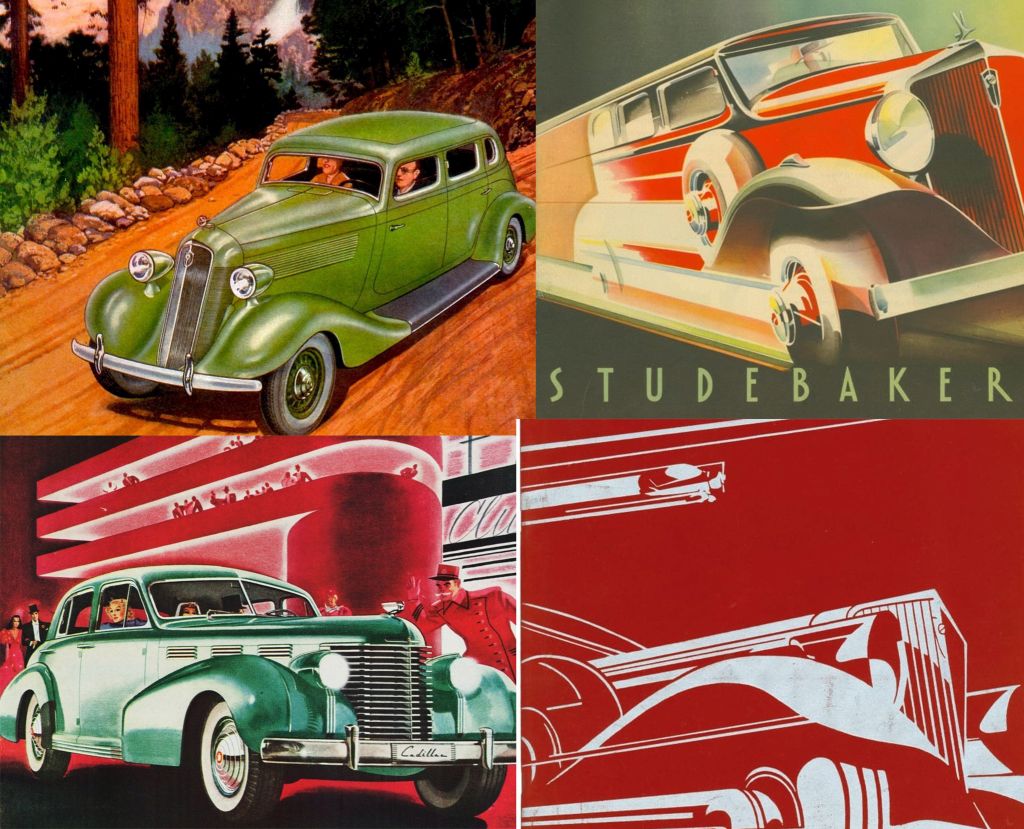
GM’s design boss of the 1960s and 1970, Bill Mitchell, began his career as an illustrator for the Colliers advertising agency. Virgil Exner, who led Chrysler’s design studios in the 1950s and early 1960s, worked in an advertising agency in the 1930s. He was very much involved in Studebaker’s promotional efforts, producing many fine drawings.
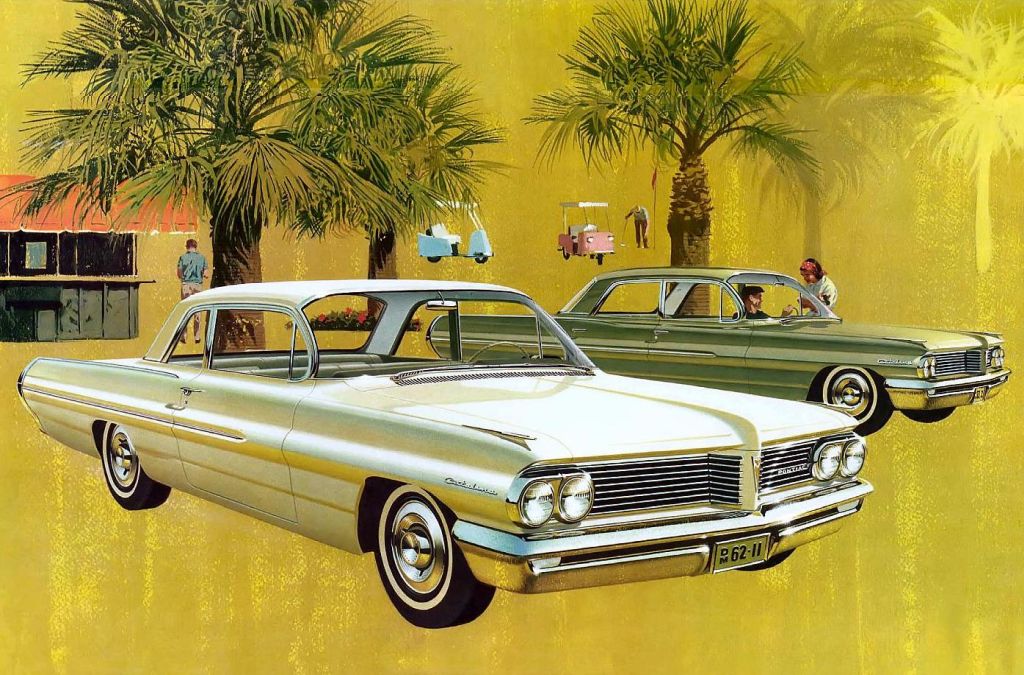
But when it comes to what were the best of this art form, it is Pontiac’s advertising campaigns in the 1960s that stand above all else. Indeed, they had a lot to do with Pontiac’s rise to the number three position in sales behind Chevrolet and Ford in the USA.
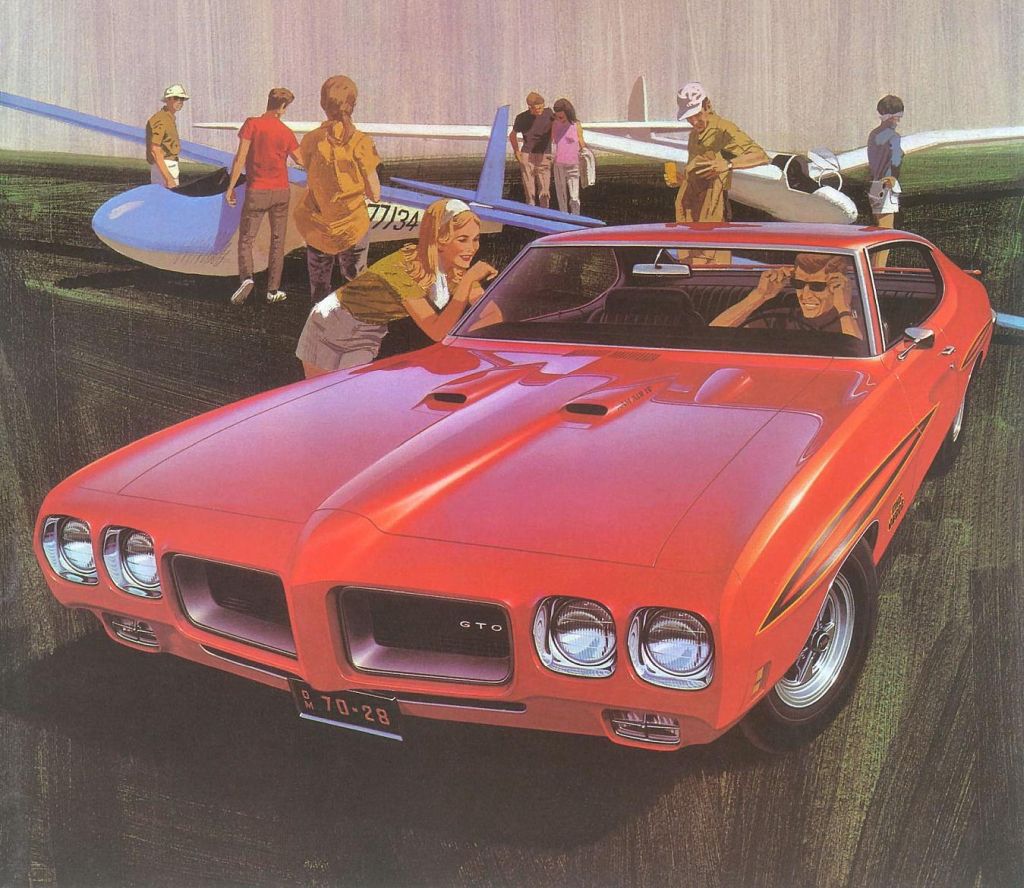
Between 1959 and 1971, Pontiac’s advertising campaigns would be driven by the artwork of Art Fitzpatrick and Van Kaufman – Fitz and Van, as they were known.
Art Fitzpatrick began his career as an automotive designer and in the 1950s did advertising art for Mercury, Plymouth and Buick. Van Kaufman started his art career as a Disney illustrator. He subsequently spent time in Europe, and developed a European style in his illustration.
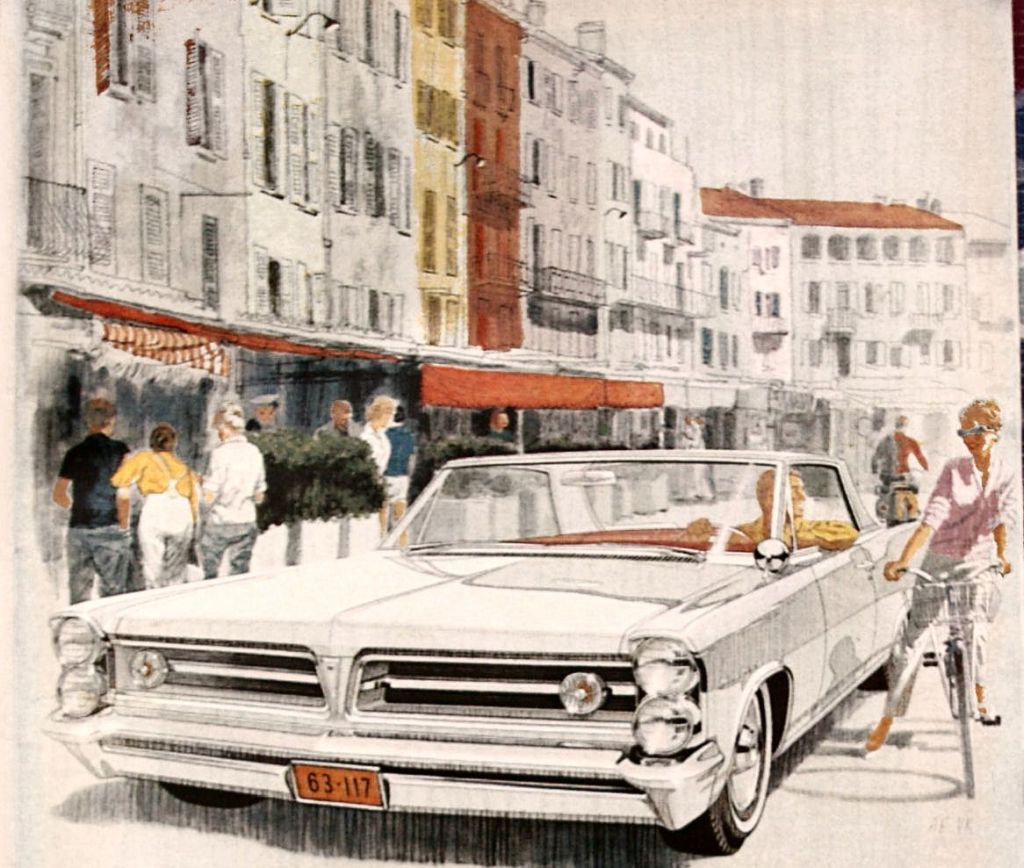
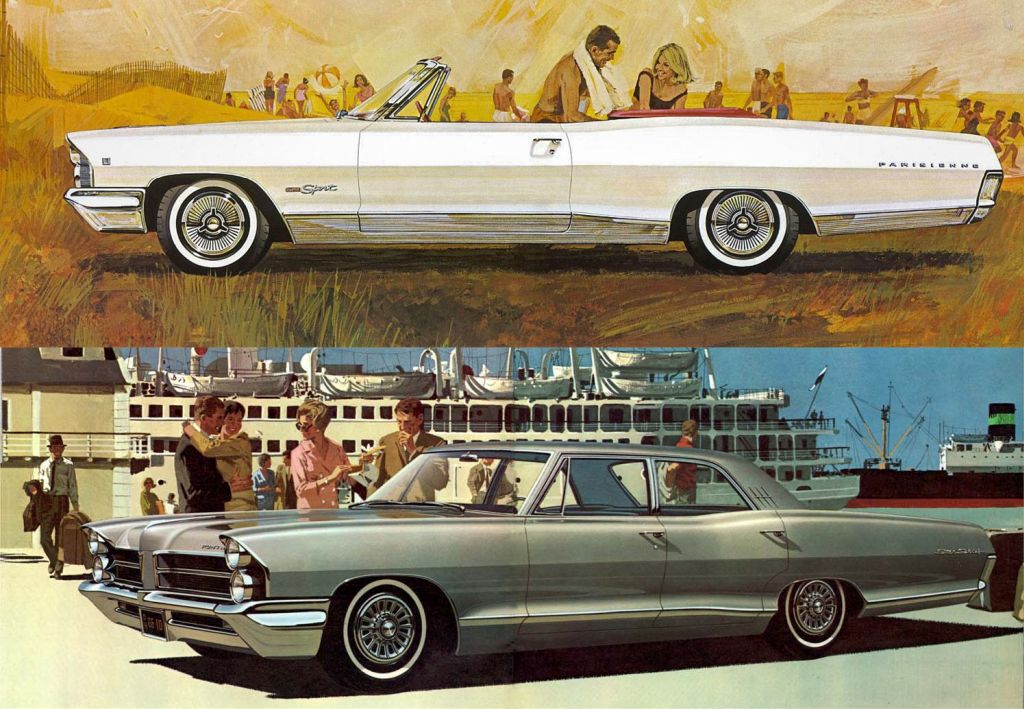
Their advertising art was so good and so popular that in 1965, then Pontiac General Manager John Delorean would insist for a time that all Pontiac advertising art work be done by Fitz and Van, and that photographs not be used. This also included Australian built Pontiacs.
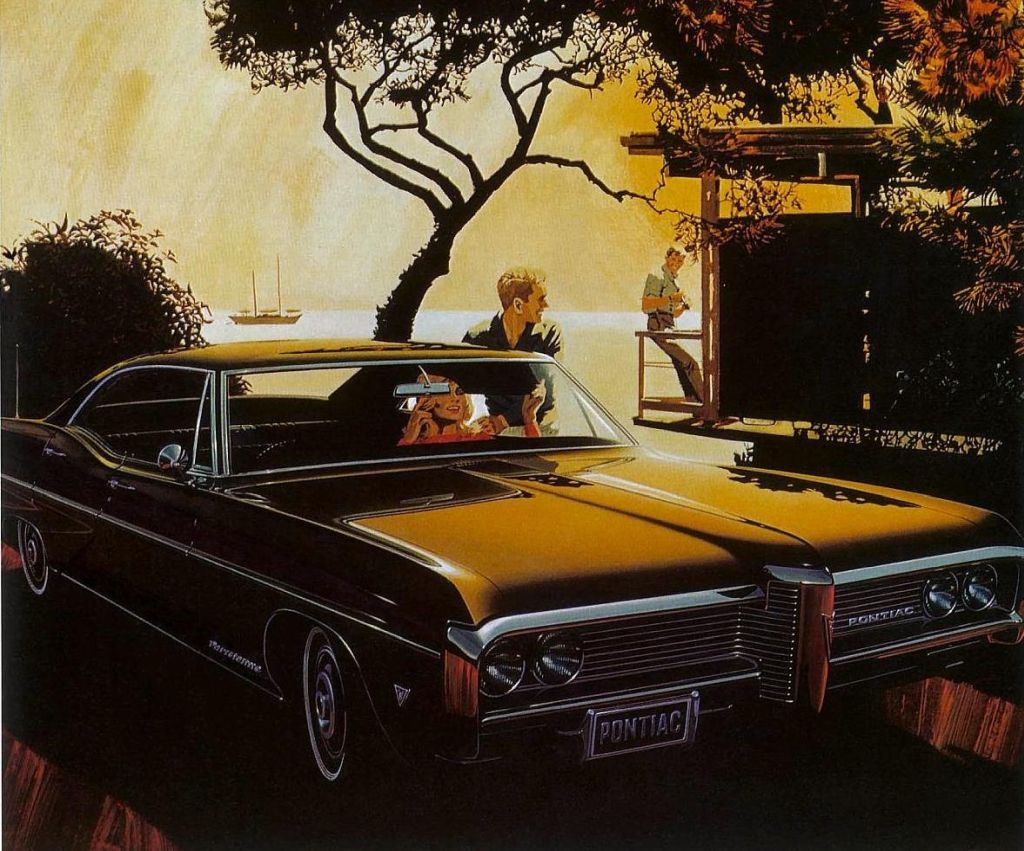
During their tenure providing Pontiac with advertising images, Art Fitzpatrick drew the cars and Van Kaufman drew the scenery and people. Fitzpatrick’s style was to illustrate Pontiacs to look even lower and wider than they already were. But his talent allowed him to do so without the cars ever looking cartoon like.
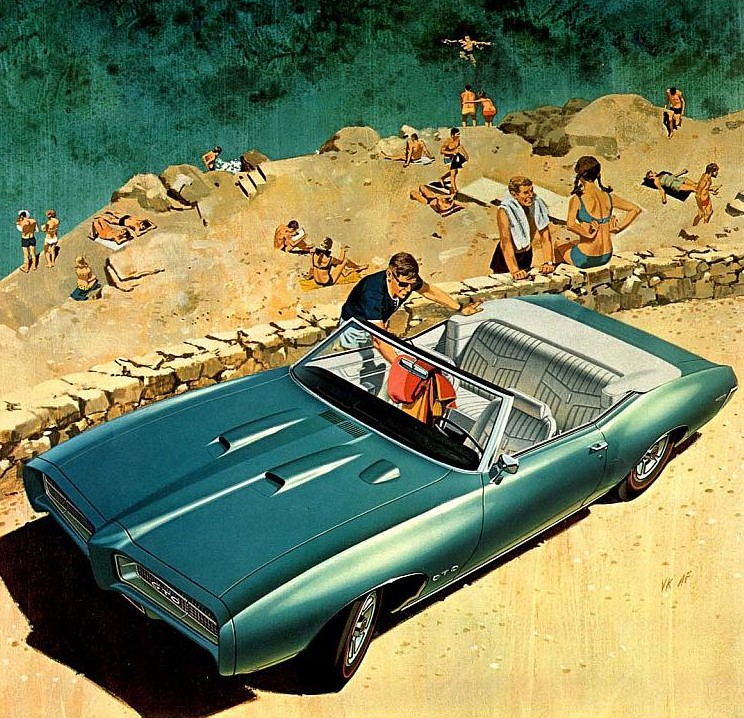
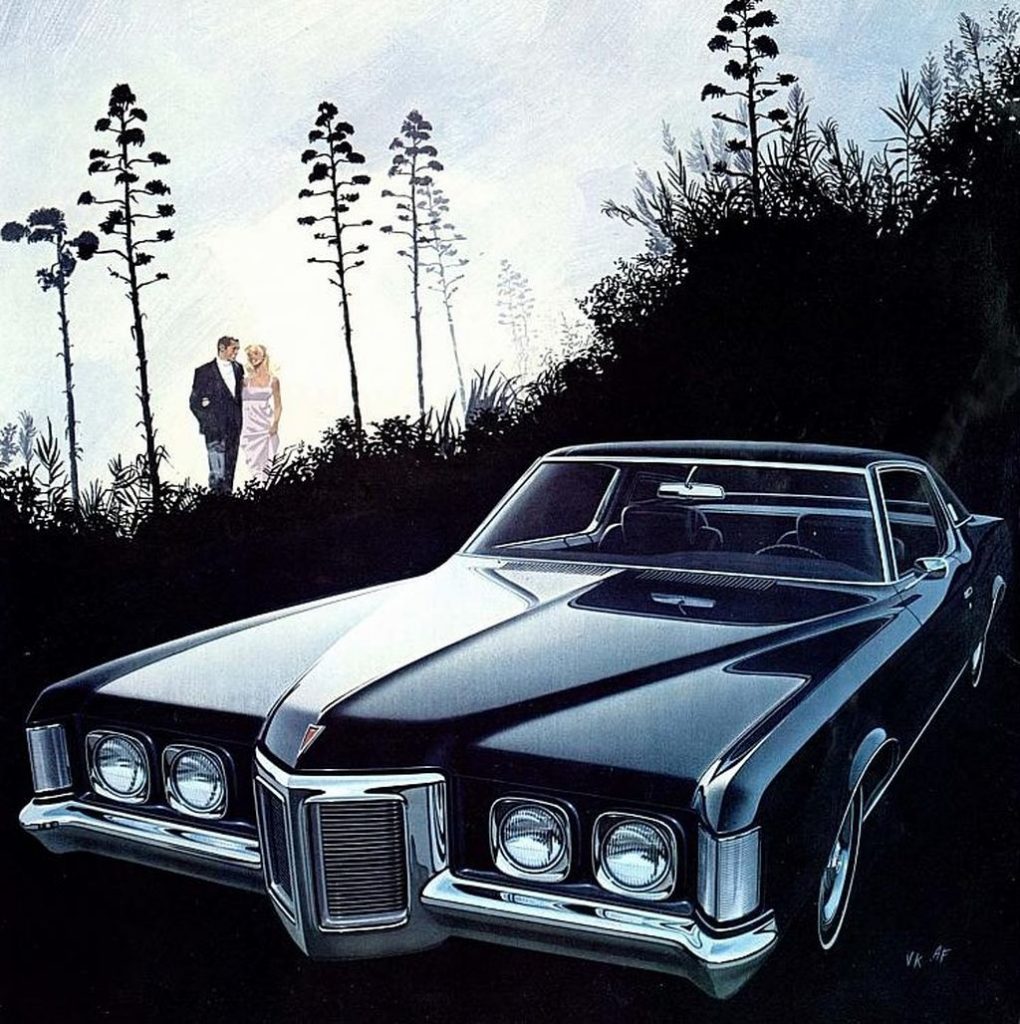
It was the evocative combination of dreamy and exotic locations, visually successful people and razor-sharp rendering of the cars that galvanised attention. Their art appeared in Pontiac brochures and magazine ads. Those ads frequently appeared in such upscale publications as National Geographic and Life. Many of their sketches featured their initials, such was their popularity!
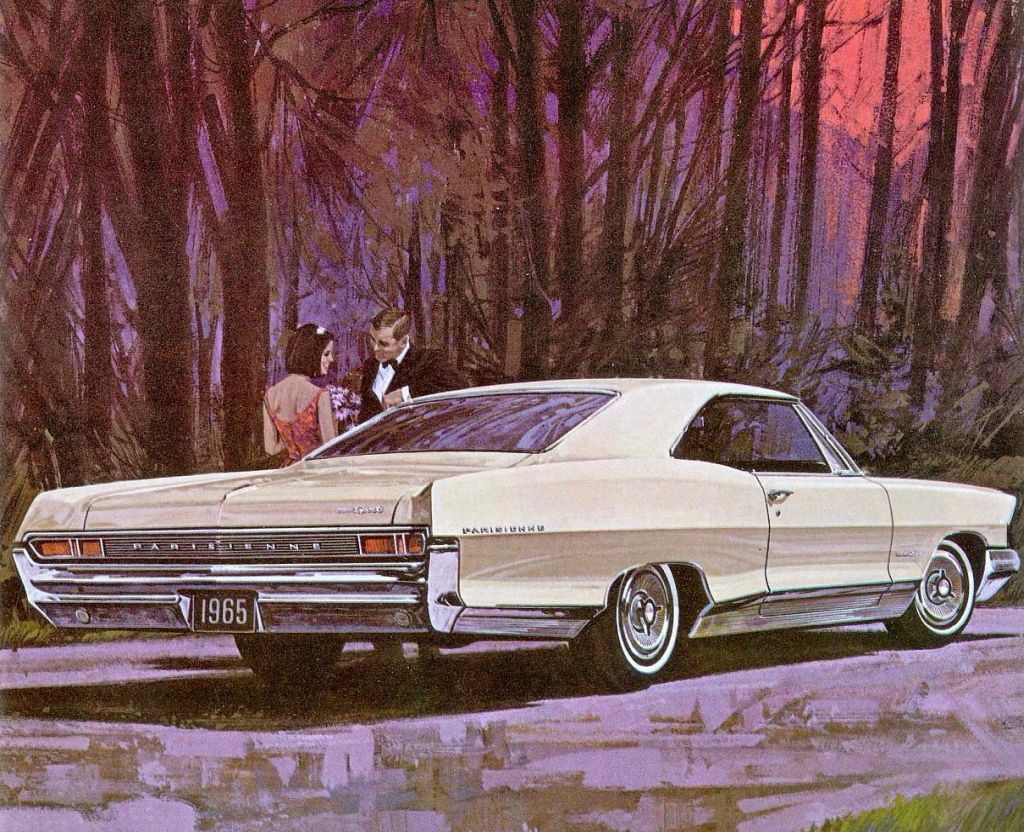
It is rare to see hand drawn automotive advertising these days. The wizards of the digital and photoshop generation have taken over that creative space. At the AMHF, we are dedicated to preserving hand drawn automotive artwork.